Learn how to assess façade performance, discuss structural, energy, thermal, acoustic, comfort and daylight criteria and start design buildings that are both user-centered and energy efficient.
Enroll now!Performance Based Façade Design
Continue your journey into façade theory and technology, learning how to measure façade performance.
Video trailer
What you will learn
Course topics
Teachers


 Video resources
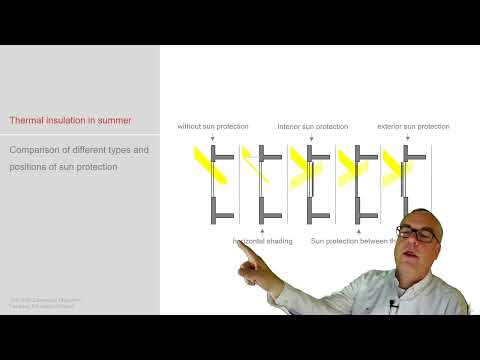
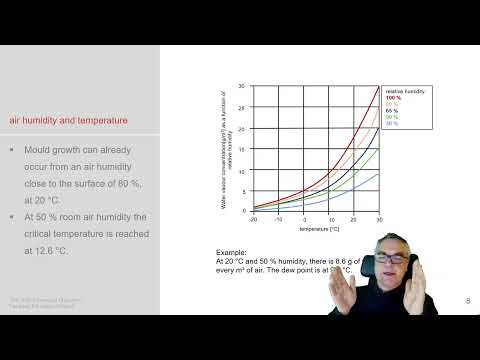
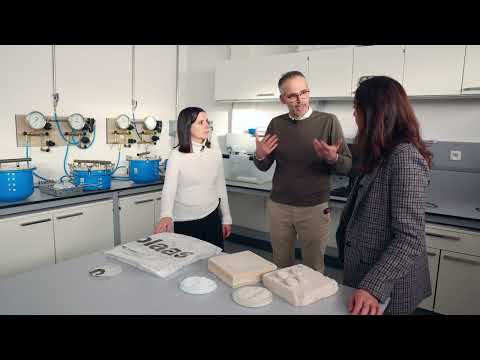

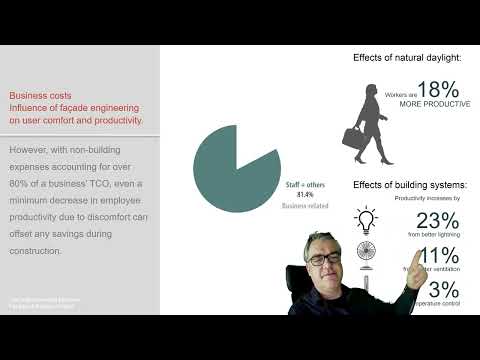
- Evaluate façade performance beyond aesthetics and compliance
- Understand when to use simulations, tests, or prototypes
- Assess façade components for thermal, daylight, solar control, and acoustic behaviour
- Integrate multi-domain performance criteria into early-stage design decisions
- Weigh trade-offs between comfort, sustainability, and cost efficiency
- Understand performance-based façade design and the key evaluation criteria — structure, energy, comfort, and cost. You’ll learn how to use KPIs, simulations, and lab tests, and when to move beyond compliance-based approaches.
- Learn how façades carry and transfer loads. You’ll explore stiffness, safety factors, and limit states, and understand how façades respond to fire and seismic actions.
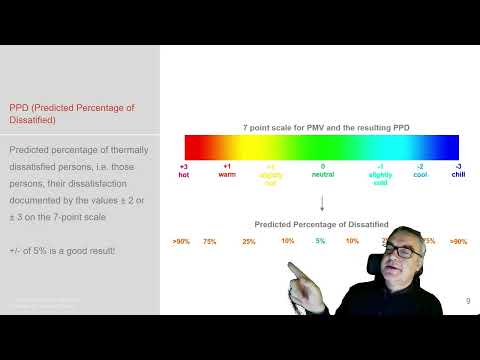
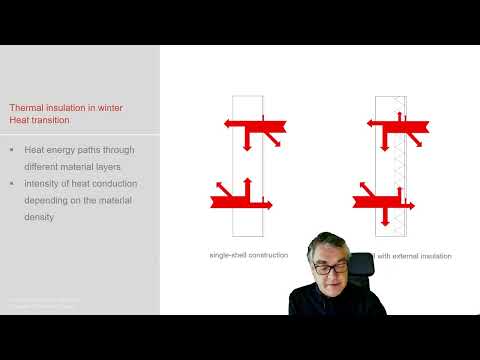
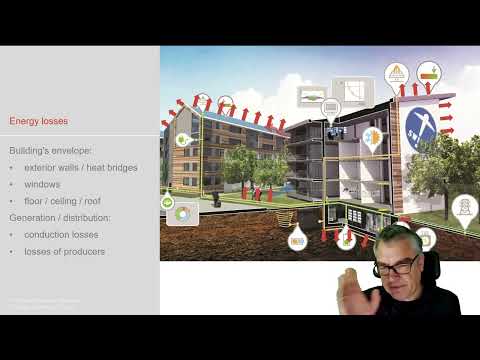
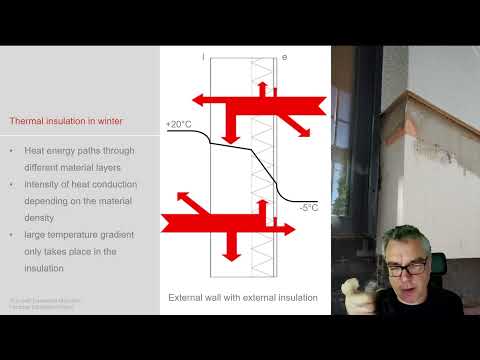
- Focus on energy and thermal behavior. You’ll study heat transfer (conduction, convection, radiation), U-values, and thermal bridges, along with moisture control, condensation risks, and strategies for energy-efficient comfort.
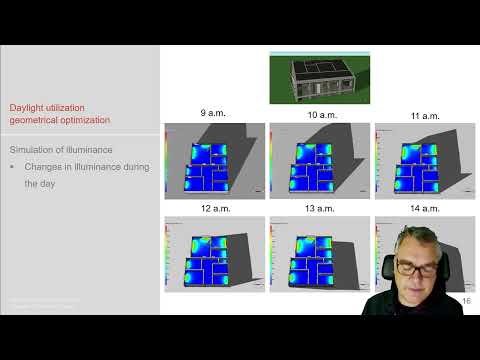
- Examine how façades manage light and solar gains. You’ll learn about t-vis, g-values, glare control, and shading systems, understanding how to balance aesthetics, comfort, and energy use.
- Explore how façades affect sound insulation and overall comfort. You’ll quantify acoustic performance and see how thermal, visual, and spatial factors interact to shape user well-being.
- Apply all previous concepts to real projects. You’ll analyze integrated façade performance, commissioning, lifecycle costs, and the link between technical results and strategic design decisions.
The course is led by experts from TU Delft, TU Darmstadt and Eurac Research. In addition to virtual visits, the course offers a peek behind-the-scenes at how circular design principles are applied in manufacturing and architectural firms.
TU Delft
TU Delft
Eurac Research
Here's what you will learn in each module:
- In Module 1, you will be introduced to the concept of performance-based façade design, covering how façades are evaluated using KPIs, simulations, and testing across structure, energy, comfort, and cost.
- In Module 2 you will explore façade-specific structural design, including load paths, stiffness, limit states, safety factors, and the effects of fire and seismic loads.
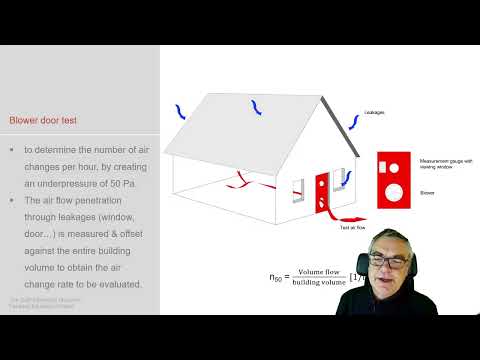
- In Module 3 you will dive into how façades control heat and moisture to ensure comfort and energy efficiency, covering heat transfer, U-values, air permeability, and condensation risks.
- In Module 4 you will discover how façades influence visual comfort and energy performance, learning to assess indicators, shading strategies, and the balance between aesthetics, comfort, and energy performance.
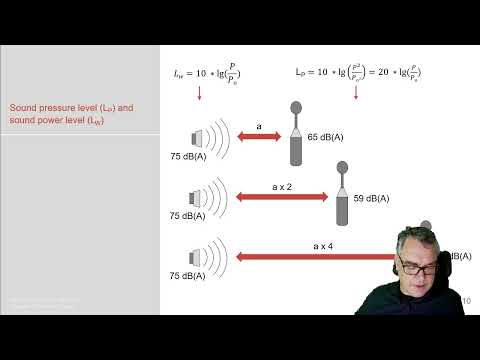
- In Module 5 you will focus on façade acoustics and user well-being, showing how acoustic performance is measured and how it relates to other comfort criteria across building types and contexts.
- In Module 6 you will analise the course’s core concepts through applied case studies and advanced topics, covering energy performance, commissioning, and lifecycle economics to support effective façade decision-making.
Module 1

Module 2




Module 3
Building physics design principles for facades
Temperature and humidity
Moisture and Condensation Risk
Temperature and insulation
Air tightness
Energy Design and Building Services
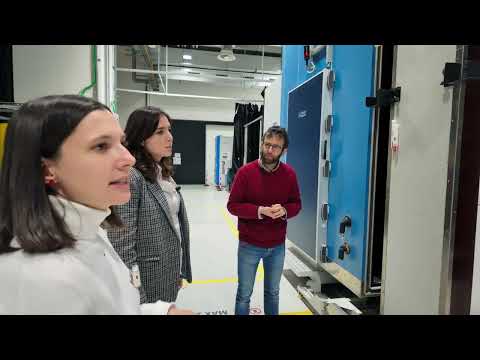
Measurements of Thermal Transmittance: Part 1
Measurements of Thermal Transmittance: Part 2